Brazil combines three key drivers for biomethane development: abundant landfill gas resources, growing energy demand and a supportive regulatory environment. These factors make it one of the most promising markets for renewable gas development worldwide. Landfills, in particular, are expected to play a central role by turning biogas into a local source of renewable energy.
Why Landfills Play a Key Role in Brazil’s Biomethane Future
Among the different sources of biogas available in Brazil, municipal solid waste landfills represent one of the country’s most immediate opportunities for biomethane production.
Brazil generated 81.6 million tonnes of municipal solid waste in 2024, nearly 60% of which was sent to approximately 3,850 landfill sites, including some of which are equipped with collection systems for biogas generated naturally by the decomposition of organic matter.
As organic waste decomposes, it naturally generates landfill gas. Rather than being released into the atmosphere or destroyed through flaring, this resource can be recovered and upgraded into biomethane, a renewable fuel with characteristics similar to those of natural gas.
Landfills offer several advantages for biomethane projects. They provide a continuous source of biogas, are often located close to energy consumers and already benefit from existing waste management infrastructure. These characteristics make landfill gas an attractive feedstock for large-scale renewable gas production.
In addition, capturing landfill gas delivers a double benefit: reducing greenhouse gas emissions while producing renewable energy.
By transforming an existing waste stream into a valuable local resource, landfill operators can create new opportunities for both environmental and economic value creation.
The Economic Opportunities of Biomethane in Brazil
Beyond its environmental benefits, biomethane offers attractive economic opportunities across the entire value chain.
For landfill operators, biogas recovery creates new revenue streams from a resource that was long considered a by-product. It also supports local economic activity, from facility operations to the production and distribution of renewable energy.
For industrial energy users, biomethane represents a competitive alternative to fossil natural gas. Produced locally, it provides a reliable source of renewable energy while helping companies reduce their carbon footprint.
More broadly, biomethane contributes to energy security by increasing the share of domestically produced renewable gas. As energy demand continues to grow, it can help diversify supply sources and reduce reliance on imported fossil fuels.
Biomethane in Brazil: A Rapidly Expanding Market
The biomethane sector is experiencing strong growth in Brazil. Used for injection into gas networks and for mobility applications, the market has recorded an average annual growth rate of 21% over the past five years 1. Despite the rapid increase in production capacity, its development potential remains largely untapped.
The Combustível do Futuro Law (“Fuel of the Future”, Law No. 14,993 of October 8, 2024) marked a historic milestone for biomethane. Under the legislation, all natural gas sold, imported or self-produced must contain at least 1% of biomethane, with this requirement potentially increasing to 10%. The law also introduced the Biomethane Guarantee of Origin Certificate (CGOB), enabling the certification and tracking of renewable gas volumes.
By creating a clear and predictable regulatory framework, the legislation provides long-term visibility for project developers, landfill operators and investors, creating favourable conditions for the deployment of new biomethane facilities across the country.
Despite the progress made in recent years, considerable growth potential remains. According to data from ABiogás 2, the number of biomethane production facilities is expected to reach 200 by 2032, with an installed capacity of 8.0 million cubic metres per day (8Mm³/day), reflecting continued investment in the sector.
Combined with the country’s abundant biogas resources and growing demand for renewable energy, these developments position biomethane as an increasingly strategic component of Brazil’s energy future.
1Source: https://www.worldbiogasassociation.org/wp-content/uploads/2025/04/WBA-Market-Report-Brazil-2025.pdf
1Brazilian Biogas and Biomethane Association
Technologies Accelerating Biomethane Development
To unlock this potential at scale, industrial solutions capable of upgrading biogas into biomethane efficiently and reliably are essential.
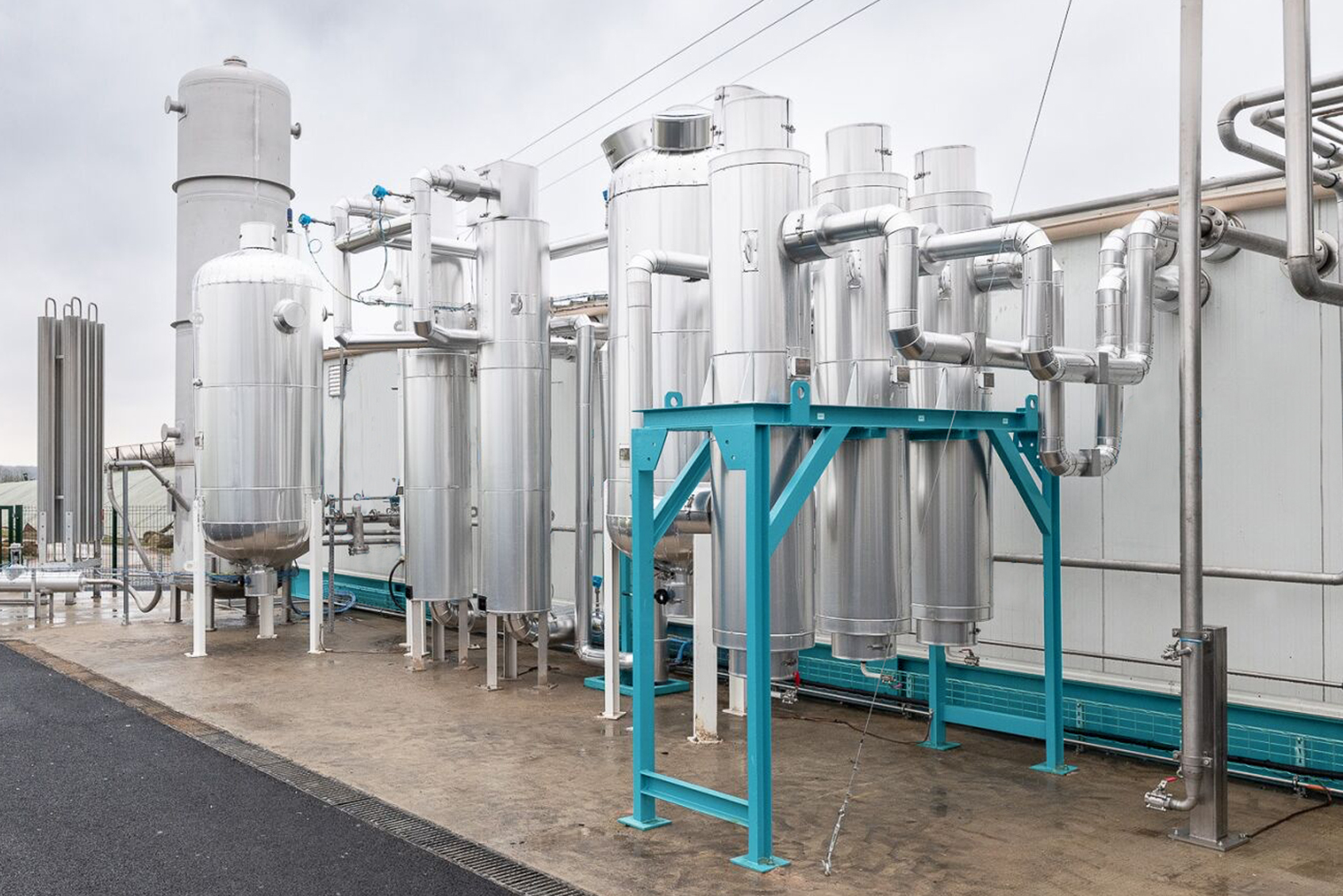
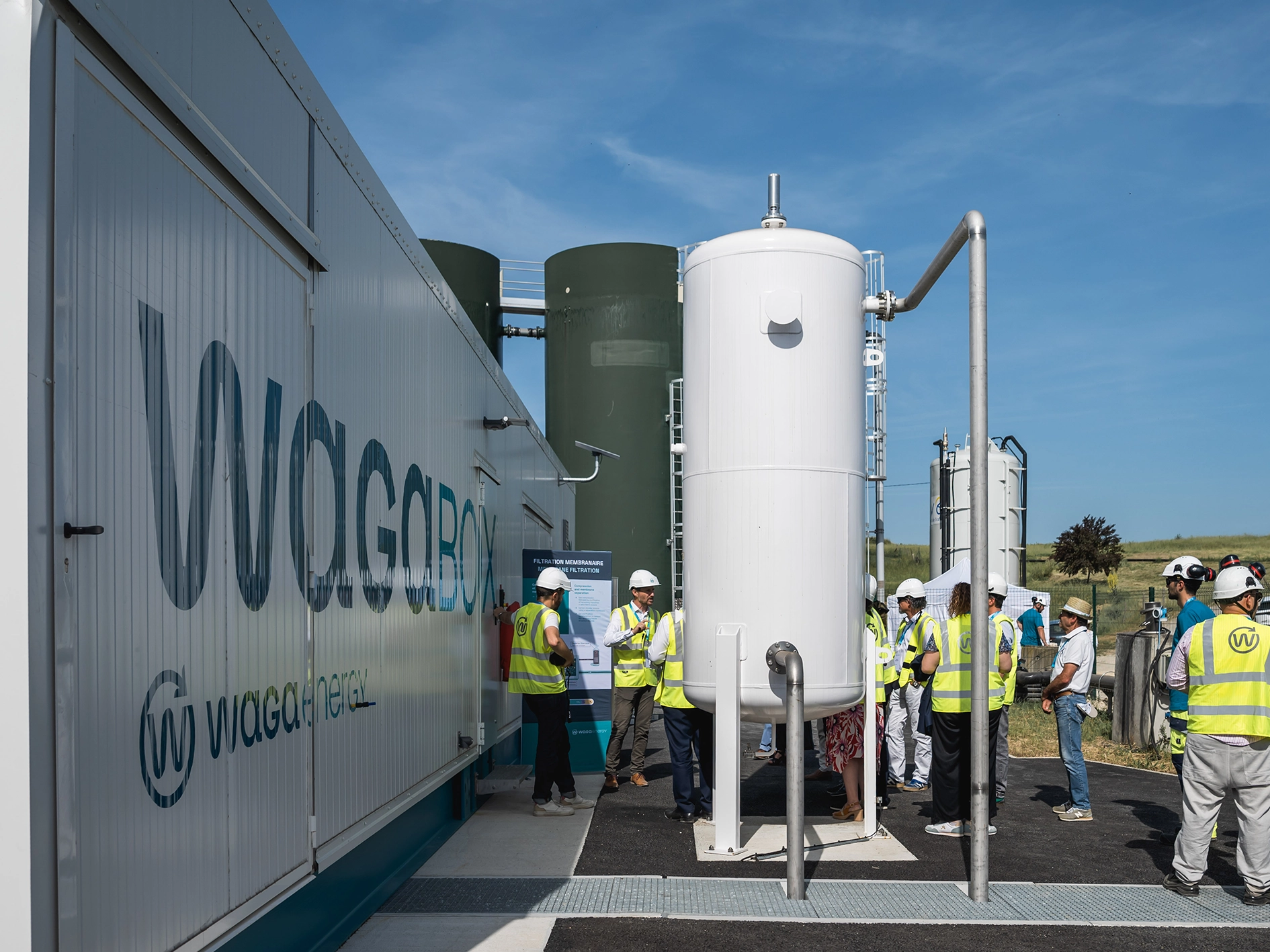
After 15 years of research and development, Waga Energy developed an innovative technology called WAGABOX®, which captures landfill gas generated from municipal solid waste and upgrades it into biomethane. This biomethane can either be injected directly into gas grids or transported to more remote locations, further expanding its market potential.
The solution enables:
- Maximum methane recovery
- Gas quality that meets grid specifications
- Continuous and high-performance operation
By combining proven landfill gas upgrading technology with a turnkey project delivery model, Waga Energy supports Brazil in reducing methane emissions and expanding its local production of renewable gas.
Brazil has the opportunity to transform one of its largest waste streams into a source of renewable energy. Converting landfill gas into biomethane is no longer only an environmental opportunity. It is becoming a strategic lever for decarbonization, energy resilience and sustainable economic development.