Assessing the role of landfills in Europe's climate objectives
Conducted by Veolia, SUEZ and Waga Energy, this study examines how non-hazardous waste landfills can contribute to greenhouse gas emission reduction and renewable energy production objectives in Europe. Building on the existing regulatory framework, which aims to reduce the amount of waste sent to landfill, the analysis evaluates the additional environmental benefits that can be achieved through improved landfill gas management practices.
Reducing greenhouse gas emissions through improved landfill gas management
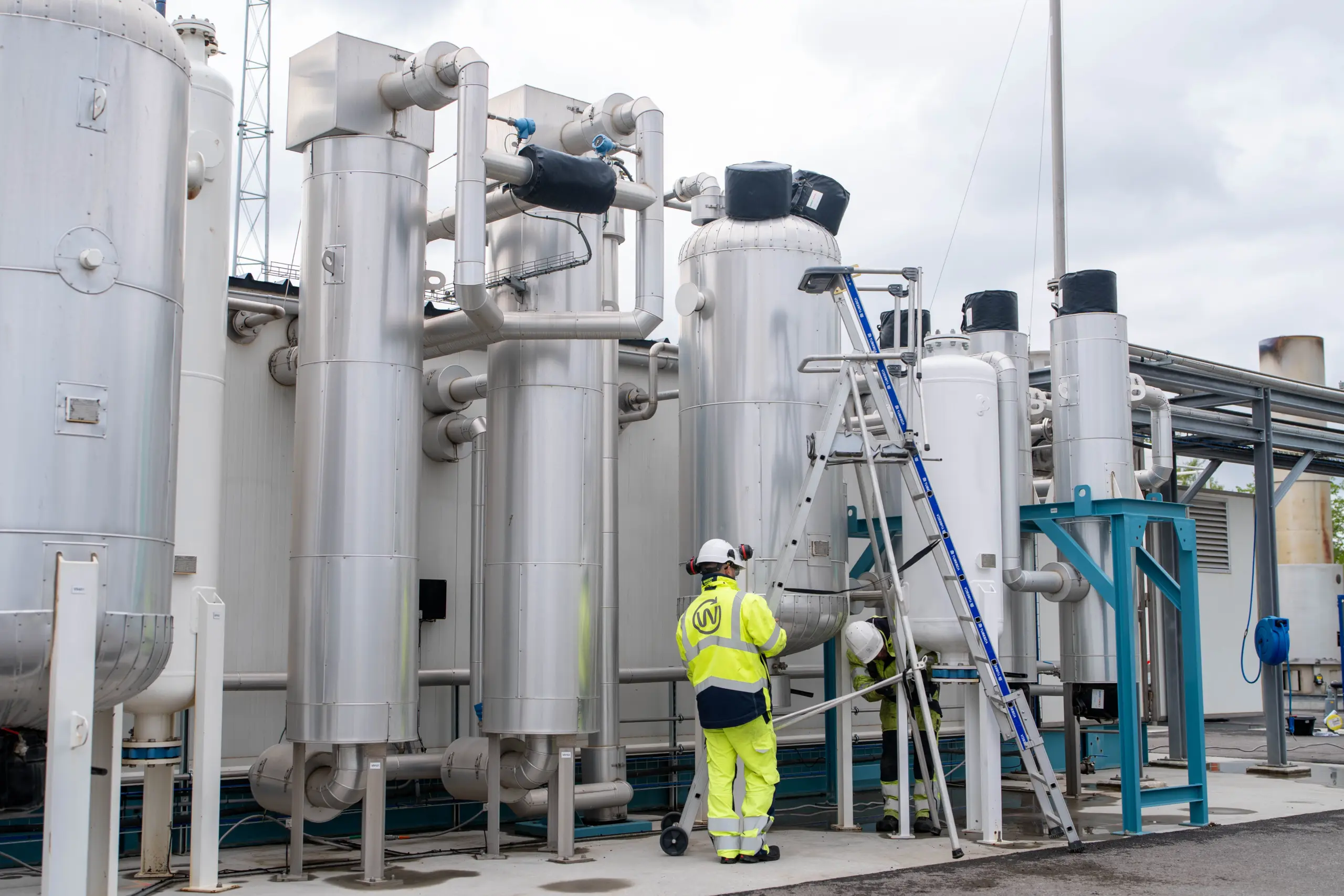
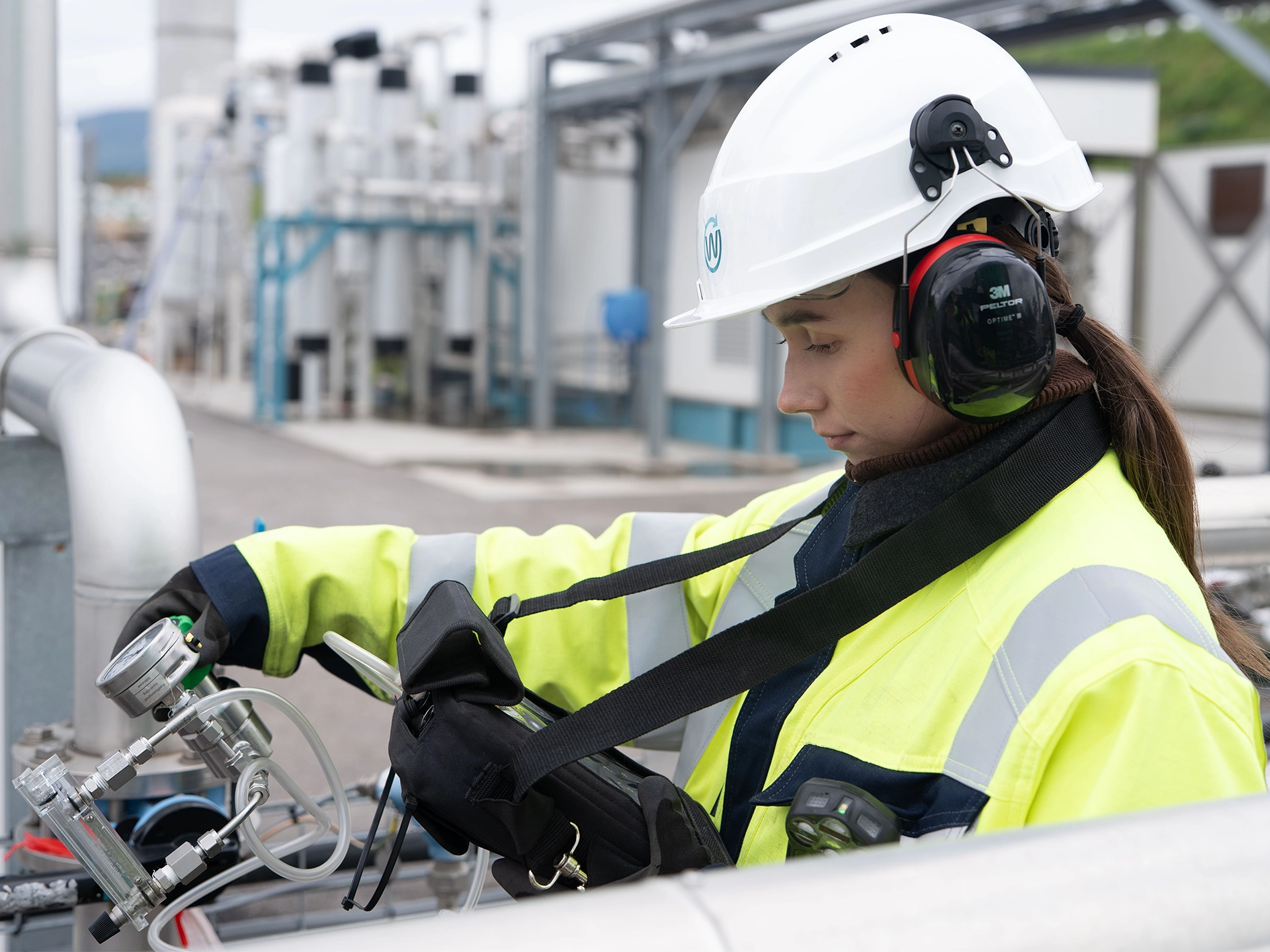
The study compares different landfill operating practices and quantifies their environmental impact. Its findings show that currently achievable best practices, including optimized methane capture, efficient cover systems, bioreactor management and high-quality monitoring, can significantly reduce emissions generated by landfill sites. Compared with average operating conditions, the widespread adoption of these practices could reduce total direct and indirect greenhouse gas emissions by approximately 50%.
Increasing biomethane production from existing infrastructure
Beyond reducing methane emissions, improved landfill gas capture can increase the recovery and utilization of renewable energy. The study highlights the environmental benefits of biomethane injection and estimates that the generalization of good practices could increase biomethane production potential in France by around 26%, from 2.1 TWh/year to 2.6 TWh/year. At the European scale, landfill biomethane could represent between 15 and 20 TWh, contributing between 5% and 10% of the REPowerEU 2030 biomethane production target.
A cost-effective approach to decarbonization
According to the study, the transition towards broader implementation of best practices would require an estimated investment of €3-4 per tonne of waste, corresponding to an abatement cost of around €20 per tonne of CO₂ equivalent avoided. Part of these costs could be offset through additional energy recovery, making improved landfill gas management a cost-effective option for reducing emissions while increasing renewable gas production.
Download the study
Contribution of Non-Hazardous Waste Landfills to the Achievement of GHG Emission Reduction Targets in the EU
October 2023
Contact our experts

Yann Pierre
Group Sales Director



Edoardo Trottini
Head of Business Expertise